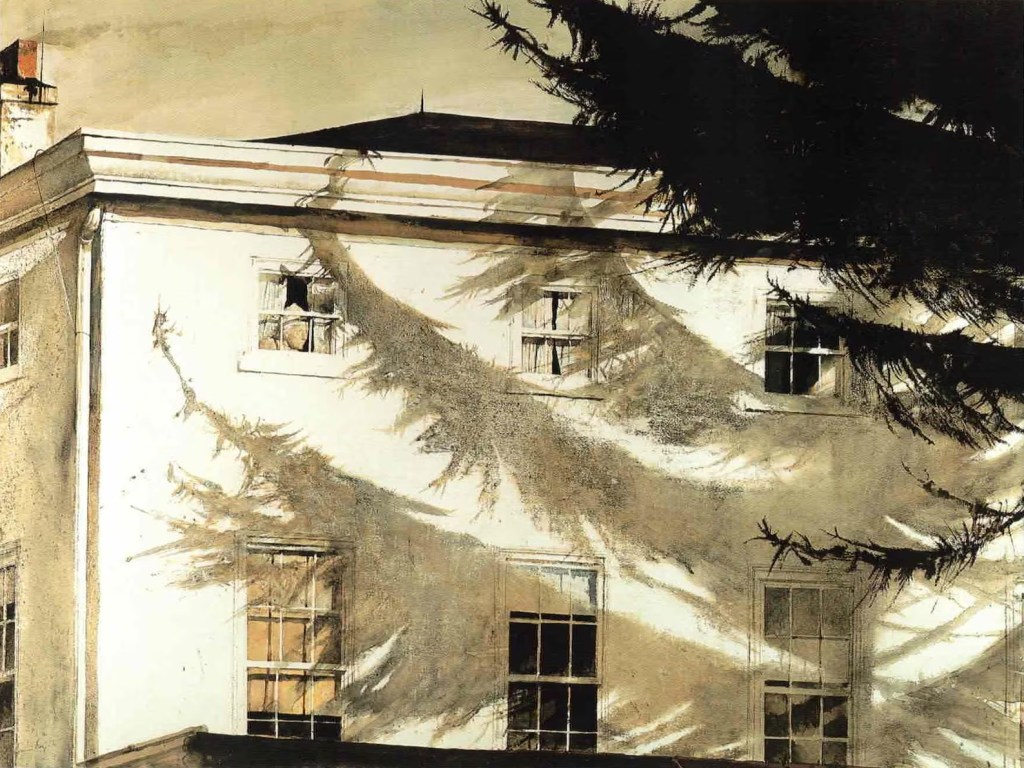
Hello! This is the first installment in the Ekphrasis Project. For each of these stories, I will find one piece of art, write one story set within that piece of art, and write the story in one hour. Enjoy!
Alex woke up first.
“Let’s practice fencing.”
We started a quiet game of fencing on the stairs. I am getting very good at taking the high ground from Alex. He took a tumble in the first round, but he’s so nimble, you could barely hear it. In the second round, I tripped on some shoes (Sara and Lizzie keep leaving theirs everywhere) and, while not nearly as light as Alex, still managed to land at the foot of the stairs with nary a thump. 1-1. Alex met me halfway and we began again, our rapiers clashing as we began again.
“Boys! Stop that right now!” A voice growled. A ghost glared at us from the second floor landing, clad in anger and an awful white nightgown with ruffles. Oh.
“Grams, we’re practicing our fencing,” I explained.
“No. Outside. Both of you.” We started down the stairs. “And those broomsticks are not for fencing with. Put them back in the closet.”
A half hour later, we returned for breakfast: bacon, sausages, eggs, biscuits, and little trays of fruit. Alex and I were having a passionate discussion of the merits of slingshot stone sizes, large vs. small and round vs. flat. I really felt that I was getting through to him about flat stones and used a bit of bacon to make my point about shape. He replied that shape did not matter unless you had a good deal more heft and proceeded to demonstrate his point with a sausage.
“Silence!” Grams again. Sara and Lizzie paused mid-biscuit. “We do not raise our voices at the table and we do not throw sausages at each other.”
“But, Grams, slingshots-
“No. Outside. Both of you.” She waved a long, white hand like a wing, brushing us out the door.
While the ladies finished breakfast, we completed our argument with demonstrations on an obliging tree. This took up some time, given that whenever one of us wanted to go and find the rock he had originally used, the other would pelt him with theirs as a way to demonstrate their argument’s effectiveness. We both had several bruises by the time we called truce.
“Betcha can’t ride Fat Martha,” Alex said.
“Anyone can ride Fat Martha,” I said.
“Across the entire yard and back?”
This brought me up short. Fat Martha was old and greying. She never lifted her head except for food.
“Of course I can,” I said, not to be deterred. Alex was all talk. Not me.
We checked to see if Grams was watching from one of the many windows. All clear. We crossed the yard to Fat Martha’s pen and I dangled an apple to get her attention. As she wrapped her thick lips around it, I clambered aboard.
“See? Told ya!”
“You’re not riding. You sitting. Across the yard and back, remember? ”
“I just have to get her moving.” I began coaxing Fat Martha the best I knew how: insults. She was fatter than the moon, or one of those big blocks of cheese from Switzerland. She was so huge, she blocked out the sun. Then I tried compliments, comparing her white derriere to the softest of marshmallows. She snorted.
“Try kicking her,” Alex said. So I did. And while I kicked, the girls came around the house, yelling about something, and Alex slipped inside the pen to give Fat Martha a slap on the rump.
“Alex!”
What they don’t tell you about fat ponies is that they have quite a bit of energy stored up. Fat Martha took me across the back yard and back, and then across and back, and then across and back again, zigzagging like a crazy bee. Alex and the girls came after us, trying to catch her while I tried not to fall off. finally, she stopped and I went flying over her head to land in a heap.
I looked up. The ghost of this morning was a veritable harpy now, all red-faced and enraged. Grams glared at me before jerking a finger.
“Tree house. Now. Both of you.”
Alex and I both went off to the front of the house sulking. The tree was a patch of stacked lumber up in a big tree that was supposed to be a beautiful house to play in, at least if Dad ever got around to building it. Grams sent us there whenever she couldn’t put up with us.
I could see her now, looking across from her window. Her face was tight and grim, an old owl in her own big tree house.
This summer, I will be publishing a series of stories based around the concept of ekphrasis. For those of you don’t know, ekphrasis is defined as “the use of detailed description of a work of visual art as a literary device.” The author James Heffernan called it “verbal representation of visual representation.
Ekphrasis is often used in poetry. There are lots of examples that I recommend exploring. Not My Best Side, by U.A. Fanthorpe, is a personal favorite. She gives the dragon in Paolo Cello’s painting a bit of a snarky tone.
Not my best side, I’m afraid.
The artist didn’t give me a chance to
Pose properly, and as you can see,
Poor chap, he had this obsession with
Triangles, so he left off two of my
Feet. I didn’t comment at the time
(What, after all, are two feet
To a monster?) but afterwards
I was sorry for the bad publicity.
I love the idea of ekphrasis and am going to do a project based around it for the next two months. Here are my parameters:
-one painting
I will either choose from art that is available to the public on online (absolutely NO AI generated images for this project) OR I will go to my local art museum and choose a piece there. The latter is my preference.
-one story
As much as I want to be a poet, I lean towards fiction as a form. Each story will not have a word limit and must take place within the setting of the painting, whether it be Monet’s Garden or Munch’s Scream.
-one hour
The thing that excites me the most about this project is that I will only have an hour to do it. I think I will allow some time to choose the painting, but once it’s chosen, I will set a timer so that I only spend exactly 60 minutes on writing and editing it.
A few other fun facts:
-I will be longhand writing these and before putting them up on Substack.
-Posts will be every other Saturday for the months of June and July. Look for one tomorrow!
-If you have a suggestion about artwork to use, feel free to message me here. Just know that if the artwork is linked in the message, I won’t be checking it out until the day I write.
I’m excited to write like this! Let me know what you think of the project in the comments! Any suggestions will be considered.
5:15 AM: I woke up to the sound of Chai, our outdoor cat, crying at my window. While I fed her, she whined for more cuddles. She doesn’t always understand words like “I need to get ready” or “pilgrimage”. It is very hard to resist her sweet black face, though, so I decided my pilgrimage would have to wait.
6:10 AM: I finally made it out of the house with my bag. I wasn’t sure how hungry I would get, so I packed: apples, boiled eggs, several meat sticks, five electrolyte packets, and some smoked gouda.
6:22 AM: I parked near White Duck Taco, said a prayer for the day, and began walking. This area of the trail is very familiar to me. I let my thoughts take a stroll. Since it was a pilgrimage, though, I tried to be intentional about where my thoughts went. I passed a mulberry tree, noting its limbs loaded with ripe, black berries. I let it move me to think about God’s abundance and where I am seeing that in my own life.
6:45 AM: My favorite bend on this part of the trail goes past the zoo on the right (smelling very earthy) and a creek on the left. The land has a natural hill and then a little bridge as you walk down.
I had planned to fill up notecards with people’s prayer requests, but ended up forgetting to write all of them down until the night before…and by then it was too late. Instead, I asked God to remind me of each person I had committed to praying for as I went.
7:30 AM: About four hours to go and I was rushing. I tried to listen more to my surroundings. Geese honked at me. Trees rustled in the breeze. This hour calmed me.
8:15 AM: I had planned for a lot of mental resistance for this prayer walk. What surprised me as I continued was the easy rhythm of it. Walk. Look around. Walk. Pray a line from Scripture. Pray for a friend. Keep walking.
9:00 AM: I began to experience some pain in my hips and my feet. I probably shouldn’t have tried doing this whole thing in barefoot shoes. I love using them for most things, but this time around my feet and legs both hurt. The pain intensified during this hour. I kept checking my watch, making me aware of how long the minutes felt.
I was also very aware of God’s presence during this time. The pain drove me into a deeper concentration.
Psalm 90 was my companion on this walk and this was the hour when I read it the most. I chose only the first several verses so that I could really focus as I prayed it.
Lord, you have been our refuge from one generation to another.
Before the mountains were brought forth, or the earth and the world were made.
You are God from everlasting and world without end.
You turn man back to the dust; You say, “Return O children of men.”
For a thousand years in Your sight are as yesterday, even as a day that is past.
You scatter them as a night-watch that comes quickly to an end;
they are even as a dream and fade away.
I think if I do this again, I would like to set aside a fifteen minute period to sit and do lectio divina with the passage I’ve chosen. It was hard to concentrate with all of the bikers and other walkers passing me.
10:30 AM: I realized I was going to make it to my destination with some time to spare. This last hour felt a lot more relaxed, even though I was definitely still in pain. God kept reminding me of people to pray for and every biker who passed me was so very friendly. I also rescued a book of poetry which was lying by the side of the road. It looked like it needed a home.
11:22 AM: After five hours and ten miles of continuous walking, there is nothing like coming around the final bend and seeing your destination. In this case, it was Tandem, home to the greatest crêpes ever. I sat down on a park bench and could not stop smiling.
My friend Jessica met me and treated me to a blueberry creme crêpe with coffee. The only thing sweeter and more wonderful than the crepe was Jessica’s baby, who sat in my lap and smiled at me.
Jessica and I had the best conversation about prayer and pilgrimages. She asked me if I thought I would make this a discipline. I have noticed that having time set aside for a longer prayer walk has been really helpful and good, but hadn’t though of making it a monthly rhythm. I’m not sure I’ll do five hours every single time and I might need to invest in some more comfortable walking shoes. It’s something I’d like to try once a month, though.
1 PM: Jessica drove me back to my car. All three of were getting a bit sleepy. When I lay down to nap, I kept thinking about Jessica’s baby nodding off in the back seat, full of trust. The whole day, it felt as though God were reminding me how it feels to completely trust Him with every single worry, just like that baby.
The rest of the day was spent doing recovery things like showering, icing my hips, taking Tylenol, and watching the goslings outside my window. Every great adventure requires some rest afterwards.
I think one of my favorite things about this mini pilgrimage was that it had a very clear starting and ending point. In the absence of a holy site to travel to, it was good to have a place like Tandem to end up at for lunch. A part of me wishes that South Carolina was dotted with old wells or chapels so I could plan trips to them. But I am very creative, so I’ll make up my own pilgrimages. I look forward to sharing about them.
Another one of my favorite things was the direction I felt in praying for everyone. a lot of people had sent in requests and I was worried I wouldn’t remember everything without notecards. But after I got home I checked back through my messages and God had reminded me about all of them.
I took part of another Psalm with me and would like to leave it with you.
Because she has set her love upon Me, therefore I will deliver her;
I will lift her up, because she has known My name.
She shall call upon me, and I will hear her;
indeed, I am with her and bring her honor.
With long life I will satisfy her and show her my salvation.
After a three month delay, it was finally time. Following a night of very deep rest, he went for his early morning swim with his personal trainer, ate a hearty breakfast prepared by his chef, donned his freshly laundered white pants and shirt, said good morning to his compound manager, and then entered his private control room.
Sliding into his ergonomic chair, he took a moment to enjoy the sunlight pouring into the space. The big windows had been a suggestion of his new compound manager who took over right after the terrible debacle with the previous staff.
No more delays. Today he would open the program, conquer his enemies, and drink that bottle of Scotch. He switched on the computers and his AI, and then flipped the switch for the bots’ underground bunker to ‘Open’.
“Good morning, sir.” His AI assistant’s voice was light and feminine, something he felt he needed when the previous staff proved to be so treacherous. It made him feel more cheerful.
“Open Doomsday,” he said.
“Doomsday is opened. What city would you like to hit with Doomsday?”
“Los Angeles.” He wanted all of those acting coaches to know that he had succeeded at something without their help.
“Los Angeles Doomsday commencing.” The bots would go after the dumpsters first, setting everything on fire. He could see it now. The Los Angeles Dumpster Fire. One Hot Mess. Hahaha.
He made himself a cup of coffee and then sent out the other two flotillas of bots, one to Hong Kong and another to Paris.
He had applied for a fellowship in Hong Kong as a young grad student and was rejected on the basis of his thesis being “interesting and informative, but not quite a fit for our program.” Hong Kong could sink into the ocean for all he cared. By the end of the day, it might.
His last girlfriend had broken up with him along the Seine. It was supposed to be the most romantic night of his life. But instead she had called him a selfish know it all who could never love anyone. That city would be a pile of romantic rubbish when the bots were done with it. Hot Parisian Trash. No, Haute Parisian Trash. Hahaha.
Outside, the pool boy cleaned while the maids walked by with the laundry. They waved. He nodded back, not wanting to appear rude. They were all still new to the island, brought in by his compound manager after the last group had tried and failed to destroy his nanobots. Very unkind of them.
He finished his coffee with a loud, appreciative sigh. “Show me the Los Angeles Doomsday.”
The screens flickered. He gripped the chair arms in excitement. Yes, show me smoke and destruction. Show me people fleeing the scene with their designer handbags. Show me choppers crashing into tall buildings.
“Los Angeles Doomsday loaded.”
The screens sprang to life. Palm trees swayed in a gentle breeze. The skyline almost shimmered in the late morning light. People strolled the clean streets, all looking surprised and- wait, did they look happy? Where was the trash? The fire? The car wrecks?
A news report flashed up on one of the screens. “A swarm of what looked like bugs appeared on the horizon about an hour ago and since then the city has transformed. People are sharing videos of what many are calling The Miracle on social media. These little bugs are cleaning up trash, filling in potholes, and in several cases rescuing dogs and cats.”
“What?”
“One resident reported a small fire that could have turned into a deadly wildfire. These little guys put it out before anyone else noticed it. And you might notice that our smog appears to be clearing. Specialists have not idea what this swarm is, but it’s doing incredible work. Happy Miracle Day!”
“No!” His coffee cup bounced off of the bulletproof glass. “No no no!”
“Is this Doomsday not to your satisfaction, sir?”
“NO!”
It got worse. Hong Kong was clean and shiny, every dock free of trash and grime. Citizens removed their air filtration masks in triumph and set them neatly in recycling bins. Several parades formed as people peacefully followed the swarm of bots around the city, phones lifted to chronicle the event. A wedding reception spilled out onto the street and turned into a rave. Dolphins leapt in a newly cleaned harbor.
“This is the worst Doomsday ever!”
And then there was Paris.
Schoolchildren wandered up and down the streets trying and failing to find any trash bags. A bunch of workmen poked their heads out of the sewers to tell everyone that it was beautiful down there. “Like a gleaming grotto! No sludge in sight!” Couples made out on every bridge and street corner. The entire city had forgotten to smoke, they were so thrilled.
“I hate the French.”
The French president and his cabinet came out of a meeting upon hearing the news. A modeling shoot had been taking place up the street from them in the magic hour lighting of early evening. Both parties met on a bridge above the Seine to see if the rumors about the bots were true. The president was so overjoyed that he took two models by the hand and jumped into the blue, blue river with them, suit and gowns be damned. The French newscasters kept bringing up a photo of that group floating in the Seine like children at a pool party.
“NO!!!!!”
He let the screens run, all of them hopping back and forth to show footage of the miracles his bots had wrought. He tried to go back to his previous iterations of Doomsday, the glorious ones with all of the exploding buildings and cars (and acting coaches, former girlfriends, and department heads).
“Pull up access codes,” he said.
“Pulling up access codes,” the AI said. He was beginning to hate that chirpy voice of hers. “Scanning eye.” A subtle beep as it scanned his eyes. “Eye scan access granted.”
“Good.”
“Scanning thumbprint.” Another beep. “Access denied.”
“Next scan,” he said through gritted teeth. The last group of workers had made him very nervous with their attempt on his bots. He had made his next round of AI security a seven step process so no one could ever break in and change it. The AI scanned his nose, then the inside of his left ear, then the back of his hand, bottom of his right foot, and, finally, his navel. All of the scans came back denied, even though he had just checked them last night before he went to sleep for so long. How could this have happened?
“Um, excuse me? Knock, knock!”
It was his compound manager.
“Everything all right in here?” The compound manager stopped at the sight of his boss in front of all the screens showing Doomsday. “Oh my!”
“It isn’t what it looks like,” he found himself saying. He was so ashamed. “This was all supposed to go really differently—
“Everyone get in here this instant!”
The pool boy, the two maids, the chef, and the personal trainer were soon assembled, all leaning in through the door at first. And then, they were all clustered in front of the screens.
“Boss,” the compound manager said in awe, his strong hands clasped in front of his bespectacled face. “Did you do this? Are those your bots?”
“They’re beautiful,” the older of the two maids said, her button nose crinkling as she smiled. ‘“I had no idea.”
“Like, so cool,” the younger one agreed. She’d tied her blouse up to show off her navel piercing. He had always found her a bit ditzy, but the way she said this last comment seemed to bely her air-headed nature.
“Thank you,” he found himself saying.
The pool boy gave him a fist bump and a nod while the personal trainer pulled an earbud out of his left ear, leaned in, and said, “What a champ!” The chef was so excited that he tripped over a cable and ended up giving his boss a lopsided hug while balancing on his right foot.
“Great work, sir,” his compound manager said. Behind him, in the early afternoon sun, the bots were returning in a swarm of annoying goodwill. “What do you call this program?”
“Uh, Doomsday,” he said. He looked down, not sure what to say. His whole staff exchanged side glances and several yawns before snapping back to attention.
“Doomsday,” the older maid murmured.
“That is, like, super meaningful, right?” the laundry girl said.
The compound manager nodded. “I think it speaks to both our understanding of doom and also to, well—
“The existential crisis of facing a world without the every day problems we feel define it and us,” the pool boy said. Everyone stared him. “What?”
Their boss had been misunderstood completely, but in this moment it felt as though everyone was really trying. It was strangely moving how these people of far lower intelligence could touch him so. And they did look tired. Had they slept last night? He wondered if he was overworking them. He’d been in a job like that before: demanding boss, long hours, no vacations. And they were all being so very appreciative of a project that had gone so terribly wrong. Tomorrow, he’d see if his compound manager could figure out a way to make sure they all got some much deserved time off.
He went over to his desk. “I was saving this for a special occasion, but maybe now is a good time for it. Scotch, anyone?”
Everyone else who rode to the 109th floor resembled the panes of clear, elevator glass: aloof and bulletproof. She, however, was a glowing orb, crackling with energy in her lavender dress. He could burst into flames standing too close.
She hummed a slow and soulful tune most days while the others stayed silent. He thought of asking what it was. But no. She had no reason to notice him, a lowly elevator attendant. That was best.
Sometimes, she slipped through the lobby elevator doors right as they were closing, green eyes wide, hair flying, whirling dress almost catching between the doors as the yells of angry protestors echoed behind her. She always looked up at him, a wordless laugh escaping as though the two of them shared a secret joke. He wished things were different.
Questions about the top floor were forbidden. He needed this particular job for the family, so he kept quiet. But every day that she slipped through the doors at the 109th floor with its scanners and intense security, he wanted to ask her how she spent her time.
The head of the top floor could have been anyone. They all wore dark suits and misery. She slipped in and out like any of the other secretaries, pastel purpose in a dreary landscape. He wondered sometimes if she was like him, a quiet soul creating a new world. How did she survive the brutality upstairs and the constant din of rebellion below?
For months, he endured the unanswered questions. Then one day, he arrived at the 109th floor earlier than usual, the elevator doors blinking open silently as planned. No one noticed him.
She was at the front desk, keeping busy with a slight smile on her red lips. One of the dark suits gave her a slight bow. “Mademoiselle.”
His heart caught.
“Make sure they have those protestors cleared by 6:30.” Her voice was a bullet. “Don’t make me repeat myself.”
“Of course, Mademoiselle.”
She slipped off a bracelet loaded with keys into a drawer, an elegant flash of silver and bare skin. Papers were passed to suits and secretaries. He averted his gaze. The elevator dinged, as though only just arriving.
He ferried all of them down, shutting the door before she could slip through the gap. When he returned to fetch her, she gave him that look of breathless excitement, as though she’d been waiting for him. He felt his heart thud against the key and the 3-d printed gun in his breast pocket. His courage nearly bled out of him. The family was waiting.
Limp handed suits accompanied her everywhere. Secretaries took her orders dressed in delicate pastel. Her world was everything that was soft and refined and cruel, silk shrouding verbal swords. Calluses were non-existent.
But his hands were strong, lined by life. She glanced through his file more than once that first week. She had it memorized within two days: the blue collar jobs, the military service, the degree from a forgettable university.
The hint of a tattoo poked out of his suit collar. While her suits and secretaries argued over company presentations and the latest downstairs protests, she doodled what she imagined the rest of it looked like. One day it was a snake wrapped around an anchor (a nod to his naval career). Another day it was a gun sprouting flowers (he seemed the sort to garden). At the end of the month, (while she listened to a boring talk on the possibility of terrorism), it was a cat.
Sometimes she waited until everyone else had left before getting on the elevator. The suits advised against this, saying it would tip off protestors to her identity. Other CEOs leave first, she assured them. This is good cover.
She could stand alone in the elevator and look at his shoulders. Could they hold the weight of everything she never found the words to say?
Maybe it was the twenty-fifth day of protestors throwing rotten fruit at her. Maybe it was when the suits told her the truth about the fudged numbers and the realities of the warehouses. Maybe it was when she imagined him going home to an ordinary life.
Whenever it was, she wanted out.
Escape planning took two days. At the end of the second, as she sent everyone home, pulled out her resignation letter, slipped that annoying set of keys off her wrist for the last time, and waited for the elevator.
She’d seen him look at her. It would be no trouble at all to get him to take her secretly from this building. She hummed as they descended, the crowds dispersing below them exactly as she had planned.
In a flash of silver and tattooed skin, the elevator stopped at floor 76., the abandoned floor. She looked up, surprised.
“You are coming with me, Mademoiselle.” His voice was calm, even soothing. “My family has some questions for you.”
Every year for Thanksgiving, my mother would splurge on a very expensive cake from our local, bougie pastry shop. My father complained that it was too much money for a cake. My mother cut him a small slice. A moment of silence, a begrudging nod, and the argument was over.
The frosting was always decadent and tasted faintly of cream cheese, and the cake itself a dream of thick sweetness. One slice always felt like just enough.
Uncle Dylan, a man of many talents and very few dollars, became obsessed with this cake. Every Thanksgiving, he attempted his own version. The two cakes sat side by side, their frostings looking a little more the same every year as he perfected his baking. Every year, there was a blind tasting and every year Uncle Dylan’s cake sat, defeated, while the bougie pastry shop cake was dubbed “the real thing.”
Uncle Dylan handled the defeat the same way each year: a long sigh, a heave of his shoulders, and a single shot of Dad’s best whiskey. “I’ll get ‘em next year.”
Uncle Dylan was a man of “nexts”. He moved from relationship to relationship, hobby to hobby, quick money scheme to quick money scheme. It made it hard to know if he’d pull through on anything that mattered. I loved him, though. So did my older sister, Rose.
By the time I was eighteen, Rose and I were his baking assistants. We walked down the street to his house on Thanksgiving Day while Mom freaked out about the turkey. Uncle Dylan’s home was warm and small, and smelled of vanilla and coffee.
Bob the cat sat atop a stack of mail on the kitchen table. We paid homage to him with chin scratches and were rewarded with deep purrs.
“Welcome, my dears,” Uncle Dylan said. “Sorry everything’s a bit of a mess.”
We didn’t mind. Rose immediately began pulling ingredients out of the fridge. I nudged Bob’s ginger butt so I could get the mail off the table. A car I didn’t recognize pulled up outside, carving a path through the unraked leaves. A woman with lavender streaked hair handed Uncle Dylan a large paper bag and drove off.
“Who was that?” I asked.
“My spice girl,” Uncle Dylan said, waggling his greying eyebrows. We opened the bag to discover several glass containers marked in Sharpie. Mexican vanilla. Saigon cinnamon. Sea salt. Caster sugar. “She only brings the best.” Rose started measuring with Uncle Dylan’s mismatched sets of bowls and spoons.
“Is everything okay?” I asked quietly. All of the bills on the table had overdue notices on them.
“Everything’s fine, Lily. Don’t worry,” Uncle Dylan, taking the pile from me. “I’m like Bob. Always land on my feet. Come on, let’s bake.”
We were tweaking several amounts that year: cinnamon, vanilla, and freshly baked sweet potato. Once the orange brown batter had been poured into Uncle Dylan’s fancy pie tins, I mixed the frosting. Rose cuddled Bob while bemoaning her latest breakup.
“Whatever happened to Alex?”
“You mean my boyfriend from freshman year?” Rose was a senior in college. “He’s fine. We still hang out sometimes.”
“He was very steady,” Uncle Dylan said. I nodded at him behind Rose’s back. Alex had been the best of her boyfriends. She had a tendency to choose people as spontaneous as her, which was fun for a while, but usually ended with her talking to me and Uncle Dylan about how lame men were. Alex had been different.
“Yeah, he’s smart and funny, too.”
“All good qualities.”
“I’m texting this guy from New York right now, though. He’s pretty cool.”
“Just so long as he cares about your needs and appreciates you,” Uncle Dylan said. Rose rolled her eyes. Uncle Dylan raised his hands in surrender. “I’m sorry. Uncles aren’t supposed to tell their nieces what to do.”
“That’s right,” Rose said with a mock glare. But I could see her thinking about it.
That night, Uncle Dylan’s cake lost by a single vote. Rose and I celebrated with a loud victory dance. Uncle Dylan smiled and bowed. I waited for the quick shot of whiskey and the “I’ll get it next time.” It never came. He walked home before Rose and I could say goodbye.
The year after, Uncle Dylan was gone for Thanksgiving, chasing one of his “nexts.” He was traveling a lot more. Bob had wandered over one day and basically moved in with Mom and Dad. They didn’t mind. Rose and I called Uncle Dylan to say hello and tell him about our baking endeavor that year: sweet potato cupcakes. His voice was tired on the other end.
“Turn the camera on so you can see me,” Rose said. The light flashed as it caught the ring on her left hand. “Tada!”
“Rose! Congratulations! Who is it? That cool guy from New York?”
“No,” Rose smirked. “It’s Alex.”
“Ah. Good choice.”
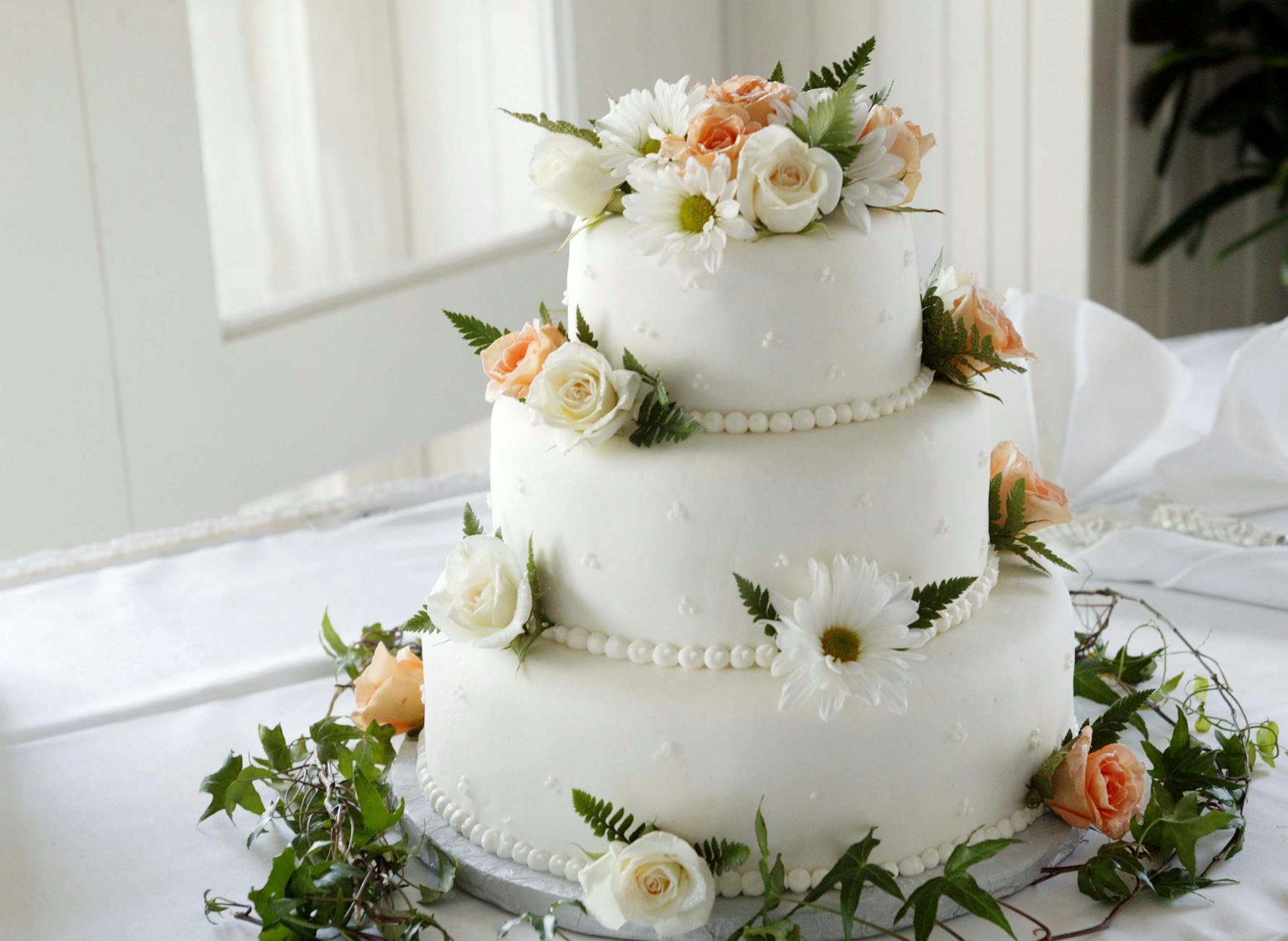
“We’re going to have the sweet potato cake from the bougie pastry shop for the reception.”
“Just make sure those pastry shop people don’t overcharge you.”
“Will do. The wedding’s in May. Can you come?”
“I’ll try to be there, my dear,” Uncle Dylan said.
Rose swallowed. ‘Try to be there’ was typically Uncle Dylan code for ‘I will forget and be sorry.’ “Okay, great. We love you.”
“Love you both.”
We barely heard from him in the coming months. The wedding preparations took up a lot of time and space so we didn’t worry too much. I think both of us kept thinking that he would show up full of wedding excitement and strangely niche expertise. And then his RSVP went unanswered. Rose cried. I did what I could to cheer her up, but that had always been Uncle Dylan’s forte. Aside from grabbing Bob for some cuddles, I was at a loss as to how to help her feel better.
The day of the wedding, Rose sent me to pick up the fancy sweet potato cakes from the bougie pastry shop. I felt a bit odd in my wedding makeup and hair paired with sweats and a plaid shirt. I was also in a rush because Rose had forgotten to send me the day before.
“Ah, yes, the Smith wedding,” the girl at the counter said. “We’ve got your boxes right here.”
I checked the clear tops of the four pink containers. Cupcakes for the kiddos. Good.
“And the main cake?”
The girl looked confused. “That’s all we have.” She clicked repeatedly on her clunky computer. She turned around and fumbled with the boxes behind her, nearly upsetting a tower of cookies. “I don’t see anything else.”
Oh no.
“What date was it placed?” I asked, mentally flipping back through all of the times Rose had invited me to work on wedding planning. I distinctly remembered having a long debate about the cake and seeing the final image on her phone.
“February 17th,” the girl said.
And just like that, I saw the whole scene: Rose with her hair up, lounging in her faded green pants with the paint stains, while her thumb hovered over the cake photo and the little checkbox for ordering it. “I’m going to get it!” But her phone pinged. One of her friends wanted to go for a last minute hike. I remembered the pause of her thumb as she saw the message come through and now I realized she had moved on without clicking the checkbox.
I left the pastry shop while the girl apologized profusely, my arms loaded with pink boxes. In the car, I took a deep breath. This was fixable, right? Wedding photos were in an hour, and the ceremony was in an hour, but someone could surely run out for a grocery store cake. It wouldn’t be ideal.
“She’ll feel so terrible,” I said to the car. The wedding had been stressful enough to plan while in her first year of grad school. This cake was one of the big things she wanted. I started to cry. “No. No. NO. Can’t cry with this makeup on.” I dabbed at my eyes. “Call someone.” But who? Everyone else was getting ready or picking up guests or taking things over to the reception hall.
I found myself dialing Uncle Dylan. The phone rang over and over and then, suddenly, his voice was on the other end, warm and welcoming.
“Lily! How are you?”
And then I did cry, makeup be damned. He listened in silence.
“When is the ceremony?”
“In an hour.”
“And the reception?”
“I mean, it’s a quick service and they’re heading there really soon after. Maybe two hours?”
“Leave it with me, my dear.”
“Are you sure?”
“Yes. I know exactly what to do.”
I sent him the reception hall details, a picture of the cake Rose thought she had ordered. He promised to have a cake there in time. I dropped the cupcakes off in the reception hall freezer and told the people setting up the hall that the cake was on its way.
“Special delivery,” I said, hoping I sounded official. And hoping there would be something in the freezer when I returned.
Then I drove over to wedding photos, arriving just in time to assure Rose that everything was fine, even though I wasn’t sure if it was. Uncle Dylan sounded so sincere on the phone. What if he let me down?
The wedding blurred by me. Rose was beautiful. Alex looked like he was going to cry. I felt like throwing up.
The reception began. I kept trying to find a time to get back to the freezer to see if the cake was there, but everyone kept stopping me to chat or celebrate or talk about how beautiful the ceremony was. It was awful. I was certain any minute that Uncle Dylan would call to say that he hadn’t been able to find anything or, even worse, that he wouldn’t call at all. We would all be eating little tiny cupcakes and Rose would cry and it would be the worst wedding reception ever.
“Cake cutting time!” Rose declared. This was it.
Nothing happened. Everyone was realizing that they hadn’t seen a cake. Rose turned to look at me, confused.
And then, through the double doors from the reception hall’s kitchen, calm and collected, strolled Uncle Dylan. He was wheeling a three tiered cake with roses on it. Rose jumped up to hug him, dragging Alex over while everyone applauded.
“I can’t believe you’re here!” She was crying, but they were happy tears.
“Of course, my dear. Wouldn’t miss it.” He winked at me. I tried not to pass out. Where and how and when? Behind him through the double doors, I thought I glimpsed a woman with lavender streaked hair. The spice girl.
The cake was cut and Alex fed Rose a tiny slice oh so gently. She took a slice and playfully slammed it into his face. He didn’t seem to mind.
“This cake is so good!”
I had my own slice. It tasted just like the bougie pastry shop. “How?” I asked Uncle Dylan.
“Lily, you know I always land on my feet.”
The cake was such a hit that Mom had to fight off some children before she could get two slices to save for Rose and Alex’s anniversary. I caught her licking frosting off her fingers. The rest of the cake was completely abolished. I looked over to see Uncle Dylan talking to Dad. He seemed more alive than I had seen him in years.
That year for Thanksgiving, Bob made a triumphant return to Uncle Dylan’s house. Rose and I walked over to help with baking, accompanied by Alex. Uncle Dylan came out the door with two pie tins wrapped in foil. “I’m all ready!”
“What about the cake? The competition? Don’t you want to prove to everyone that you can make the ‘real’ thing?”” Rose asked.
“I think I’ll manage,” Uncle Dylan said. “What even is ‘real’ anyway?”
Maybe it’s just me, but the bougie pastry shop sweet potato cake tasted a bit subpar that year.
Photo by u00deorsteinn Friu00f0riksson on Pexels.com
When the box arrived, it was covered in white ribbons. Thrrrrp! A chirrup sounded from within, insistent and indignant.
When the girl opened the box (or rather, when the box nearly tore off its own wrapping), a feathered head thrust its way out.
“Oh!” her mother exclaimed. “Your ptarmigan looks a bit, uh-
“Pink,” her father finished.
The girl didn’t know what her parents meant. Her ptarmigan was clearly red, not pink at all. Its dark eyes gleamed. She scooped it up and went outside, smitten.
They played in the snowy garden for hours. The ptarmigan liked to do hesitant flaps as the girl ran around it in circles. When she wasn’t running, she sang to him while he twittered to her. When he chirruped for food, she brought him inside to the kitchen and pulled out small, seed biscuits. But her ptarmigan arched its face away, disgruntled.
“What do you want?”
The ptarmigan wiggled its head at a row of sausage hanging in the cellar. The girl had never heard of a ptarmigan who liked meat. But her ptarmigan did look very hungry. She broke off several links. The bird chomped and swallowed, then bobbed for more.
“You are going to be the biggest and most beautiful ptarmigan,” the girl said. “A giant ptarmigan.” The ptarmigan cooed and settled in her arms, asleep.
The next day was their first ptarmigan class. The girl arrived a bit late. Her ptarmigan had resisted the straps of the leash. It didn’t matter. It was worth it to strut past her classmates to the end of the line, their mouths agape while their own ptarmigans looked about as impressive as dirty snow.
Ptarmigan school proved to be difficult. The other ptarmigans walked neatly through the snow, hardly leaving footprints. Her ptarmigan jumped and danced, leaving a thick track of strangely shaped prints. The other ptarmigans stood stock still during camouflage practice. Her ptarmigan ducked itself into a snow bank, dusty red tail feathers shaking in the air.
The girl giggled. Her teacher frowned.
“Your pink ptarmigan must learn to behave. It needs to eat its daily allotment of seeds, respect the leash, and stop trying to run off.”
The girl wanted to object. Her ptarmigan did not like seeds. They made him sick. If he left the line, it was only because he was investigating his surroundings. He always came back. And he wasn’t pink. He was red.
But her teacher’s stern look silenced her.
For the next two weeks, she did as ordered. Her ptarmigan choked down seed biscuits, and then choked most of them back up in a wet blackish pile. He twittered too loudly, so he was muzzled each morning before being dragged to class on the leash. If he tried to move out of the ptarmigan line in class, the girl gave him a swift swat. She even dusted his feathers with flour so that he was not so noticeable amongst his cloud white classmates.
Her teacher nodded in approval.
The girl, however, cried every night.
At the end of two weeks, her parents found her in the kitchen next to the biggest oven with her ptarmigan in her arms. The bird lay limp, barely breathing. His eyes were dim and half closed. Swaths of red feathers had fallen out, leaving behind scabs on his skin.
“I’m sorry. I’m so sorry. I don’t know what to do,” the girl sobbed. “I did everything they told me.”
Her mother laid a gentle hand on her shoulder. “I think he knows what he needs. So do you.”
“But he isn’t like the other ptarmigans.”
“Who cares about them?” Her father said. “He is your ptarmigan. You get to decide what he eats and what he does.”
“Yes,” her mother agreed. “What can we give him?”
The girl wiped her eyes and cradled her ptarmigan. “He needs meat. A lot of it.”
The girl stayed home from ptarmigan class the next day. She nursed her red ptarmigan with squares of raw meat, blood dripping from her fingers, and slept with him nestled in her arms by the kitchen ovens. She sang happy and sad songs to him, depending on her mood. He cooed and chirruped more and more as the days passed.
Finally, one day, his feathers began to come back in, a soft rusty down. The snow melted outside their strong, stone house. The girl strapped him to her chest and took him for long walks in the sunshine.
One day, they came to a bright, sunny field. He twittered to be let down and scurried all over the muddy ground. He flapped his wings, no longer the soft rust, but now red-gold, a ruby caught in a bonfire. A wind gusted towards them and suddenly he was aloft. He chirruped in triumph.
“You are no ptarmigan,” the girl said as he hovered over her, testing his wide wings. The bright spring sun behind him cast a fluttering shadow on the girl’s smiling face. “You are a phoenix.”
A couple of years ago, my friends the Kings had me over for Christmas lunch. Lunch turned into afternoon coffee and snacks, which then turned into late afternoon chatting and yawning. I remember noticing that there were still presents under the tree even though Christmas morning had been over for several hours. The King children were young, and I wouldn’t have expected them to be so uninterested in their little packages.
“We usually only have them open on or two gifts at a time,” Hannah told me when I asked. “We don’t want them to get into a gift opening frenzy.”
“Frenzy” has often been the word that I would have used to describe the Christmas season. It is a time of intensity, with bright lights and shiny packages. If you watch Hallmark movies looking for “frenzy” or “intensity”, you’ll see it almost immediately. The colors are a little too bright, the plot points a little too shiny. Everything happens in a fixed, predictable way, which you would expect to feel safe and non-threatening, which it does, sort of. It also feels strangely frenetic, as if everyone is afraid they won’t be able to get to the next plot point in time. They rush around until the two leads finally get together in some kind of awkward declaration of affection which is meant to be sweet and meaningful, but feels so very empty that you wonder if robots were involved in the writing process.
Yes, I know. That is kind of the point of a Hallmark or Netflix Christmas movie.
But if the point is to get drunk on the bright lights and shiny wrapping for a day, I don’t want that. I don’t want the frenzy.
As I’ve been focusing on celebrating twelve days instead of just one or two of the Christmas, I have pondered this idea of slow unwrapping. I opened gifts on Christmas Day, and it was really fun. My parents bought me new baking pans, cooling sheets, and a very, very nice pastry cutter. Each day since then, as I’ve been at home nursing my sick body, doing something small and celebratory has felt like a little piece of chocolate. I drank a special glass of wine. I put gifts in boxes. I wrote notes to friends. I played music to remind me of Christ’s coming. I prayed prayers centered around Christ’s birth. Turns out that celebrations that feel like a slow unwrapping are a lot more fun.
There was a sense of mystery about it all, too, because I was not only contemplating Christ’s coming, but also how Christ changes everything by His arrival. Every ordinary thing- music, walking, being with family and friends, having a meal, breathing- is transformed by His unprecedented birth and made extraordinary. The dark is set alight by His glorious appearing.
I think this intense light is perhaps what all of those Hallmark movies are attempting to recreate. I don’t blame them for trying.
Celebrating the 12 Days, even in small ways, has been a really good and joy deepening experience. I know I want to do something like this again next year, although I may not write about it every single day if I do. It’s fun to share beauty with the world, and it’s also nice to have some space. So I may take that for myself next year.
Today, as I finished the last chapter of The Dark Is Rising, I was very moved by this line that Cooper uses:
…there was no break in the music that was in Will’s head, for now it had changed into that haunting, bell-like phrase that came always with the opening of the Doors or any great change that might alter the lives of the Old Ones. Will clenched his fists as he listened, yearning towards the sweet beckoning sound that was the space between waking and dreaming, yesterday and tomorrow, memory and imagining.”
I think a good celebration can also do what this music does for Will. It can remind us that we do not belong to this place, not entirely. We live in the waiting and the doing, the already and the not yet.
Today, as we near the end of the twelve days of celebrating Christ’s coming, I offer a simple curation. Here is a poem by T.S. Eliot accompanied by John Rutter’s Carol of the Magi.
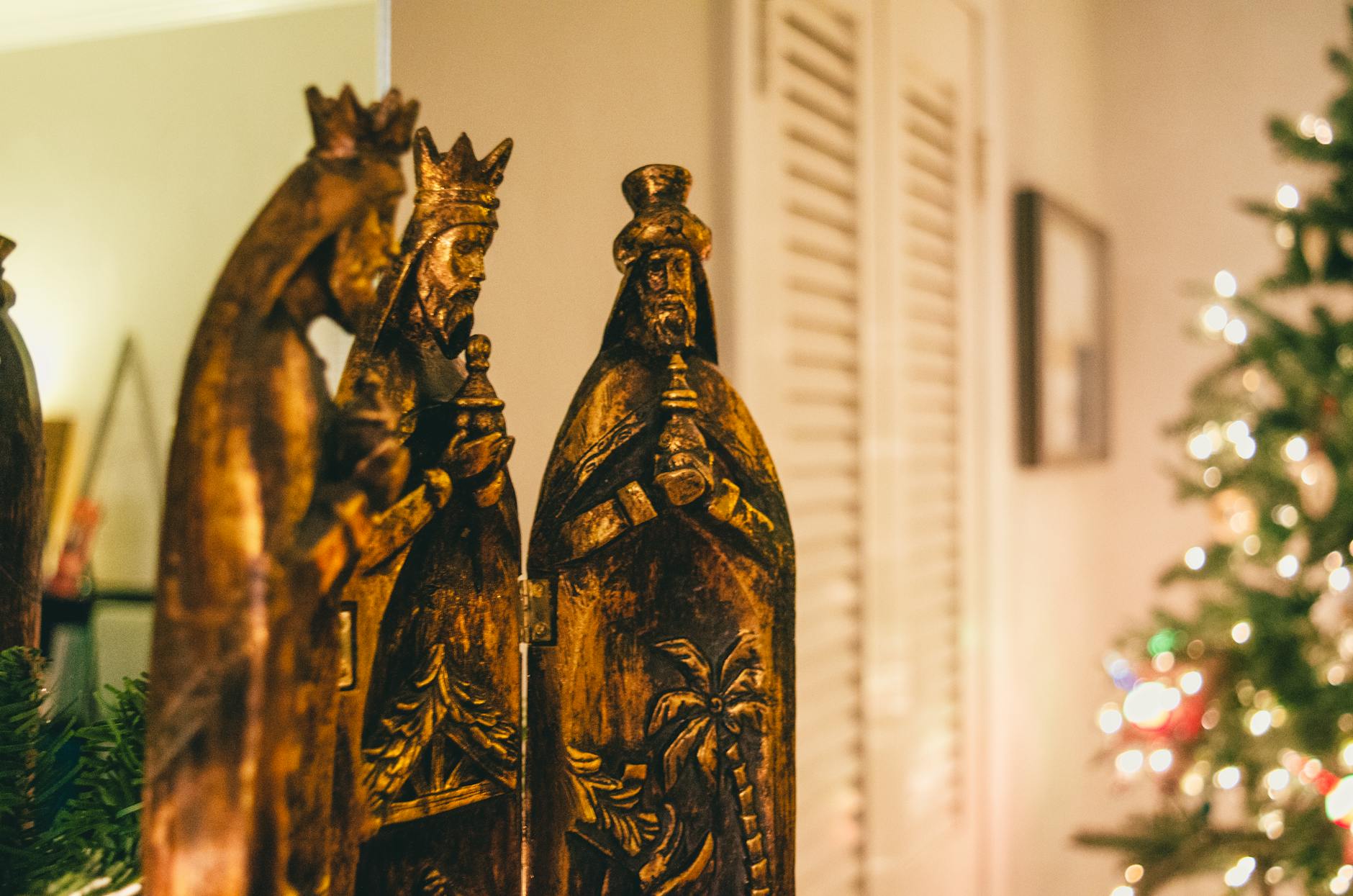
A cold coming we had of it, Just the worst time of the year For a journey, and such a long journey: The ways deep and the weather sharp, The very dead of winter. And the camels galled, sore-footed, refractory, Lying down in the melting snow. There were times when we regretted The summer palaces on slopes, the terraces, And the silken girls bringing sherbet. Then the camel men cursing and grumbling And running away, and wanting their liquor and women, And the night-fires going out, and the lack of shelters, And the cities dirty and the towns unfriendly And the villages dirty and charging high prices: A hard time we had of it. At the end we preferred to travel all night, Sleeping in snatches, With the voices singing in our ears, saying That this was all folly.
Then at dawn we came down to a temperate valley, Wet, below the snow line, smelling of vegetation; With a running stream and a water mill beating the darkness, And three trees on the low sky, And an old white horse galloped away in the meadow. Then we came to a tavern with vine-leaves over the lintel, Six hands at an open door dicing for pieces of silver, And feet kicking the empty wineskins. But there was no information, and so we continued And arrived at evening, not a moment too soon Finding the place; it was (you may say) satisfactory.
All this was a long time ago, I remember, And I would do it again, but set down This set down This: were we led all that way for Birth or Death? There was a Birth, certainly, We had evidence and no doubt. I had seen birth and death, But had thought they were different; this Birth was Hard and bitter agony for us, like Death, our death. We returned to our places, these Kingdoms, But no longer at ease here, in the old dispensation, With an alien people clutching their gods. I should be glad of another death.
In the past few days, I have been clearing out old photos and videos. I find myself a bit embarrassed sometimes when I do this. I found mementos of an old relationship, videos of me being very silly even though I thought I was being serious, and, of course, little things I saved that I can’t remember the reason for anymore.
It’s hard to let go and it’s also hard not to feel incredibly stupid for some of the things I’ve done in the past few years. It can feel like a heavy coat of distraction. The weight is claustrophobic.
As I have been contemplating Christ this week, I have been reminded that He is the good shepherd. He comes to lead and save and heal. It is easy to picture that passage in John 10, “I am the good shepherd. The good shepherd lays down his life for his sheep.” I have always pictured this as Christ sacrificing Himself on the cross. Today, though, I have been pondering what it means to lay down a life every day. To be a good shepherd, you would have to deal with countless distractions, minute and massive, every single day. There’s the weather, finding food, doing battle with predators, and making sure you have shelter each evening. You would have to do it with incredible focus, and the sheep would not be very helpful.
You would also have to deal with shearing.
My brother in law is a sheep and alpaca shearer. He frequently shares footage of sheep weighed down by their heavy, heavy coats of wool before he shears them. Some of them submit to his shearing and hardly move. Others, however, thrash, and he has to pin them in different positions to get all of the wool off. They look like different animals once he is done with them. The wool goes on to be used for all kinds of things like yarn and cloth and blankets.
Maybe this is what celebration can look like: the recognition that what has come before was good and necessary. We can print out those photos and laugh at those old videos and journal entries. It is also good and necessary to commemorate those things, shed them, and make them into art and gifts for others. It takes time to shear off the weight of an old year, though. I think that’s why we need more than just Christmas Day to celebrate and commemorate.
When I look back on those photos and those videos, I see someone who was trying very hard to understand her life. Where before I found a lot of embarrassment, I now find clarity. And I find that I can shed a lot of that old weight now, helped by experience and my very good shepherd. There is growth to celebrate and commemorate.
Psalm 72:12-14
For he delivers the needy when he calls, the poor and him who has no helper. He has pity on the weak and the needy, and saves the lives of the needy. From oppression and violence he redeems their life, and precious is their blood in his sight.
Found this song today and loved it. Merry Christmas!





 All Things: